Choosing the Right Fiber Optic Cable Jacket
Fiber optic cable jackets play a critical role in the safety, durability, and code compliance of modern fiber networks.
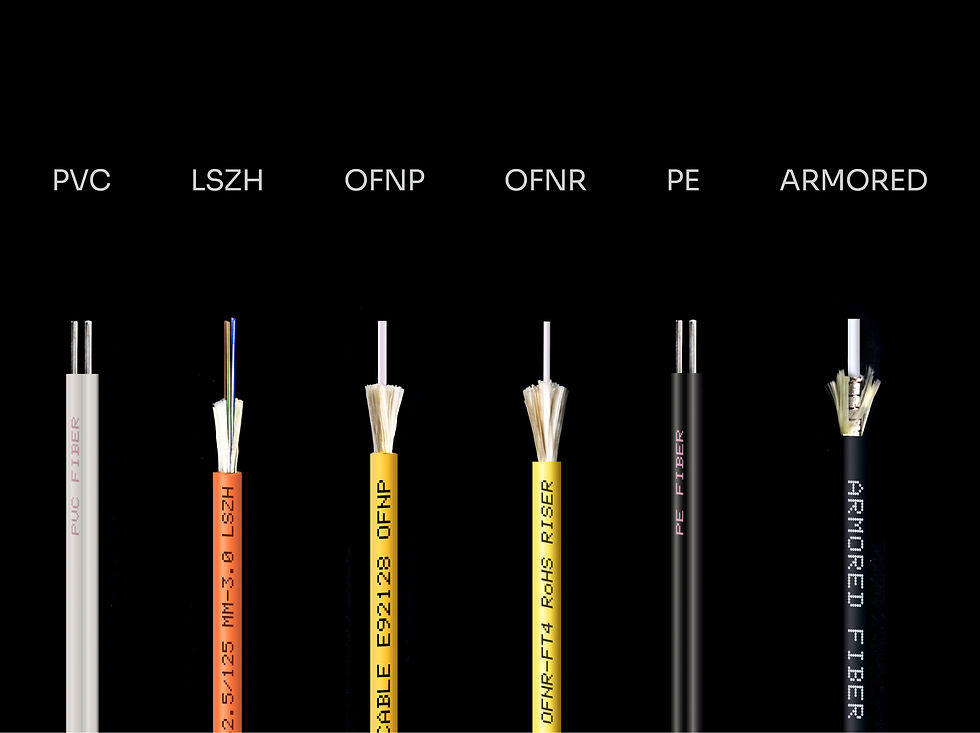
Fiber optic cable jackets are the outer protective layer surrounding the buffer, strength members, and optical fibers inside. The material and fire rating determine where the cable can legally be installed, how it behaves in a fire, and how well it survives its environment. The most common options are PVC, LSZH, OFNP (plenum), OFNR (riser), PE, and armored variants.
Following our practical guide to fiber optic connectors, this post covers the jacket side of cable specification — what each material does well, where it falls short, and how to choose for your application.
Why the Cable Jacket Deserves More Attention
Cable specifications often begin with the glass — core size, mode, wavelength — while the jacket is treated as a secondary concern. In practice, jacket selection is where many avoidable failures begin. A well-chosen jacket protects against:

Fire inspection failures and code violations
UV, ozone, and moisture degradation outdoors
Chemical attack in laboratories, fabs, and process plants
Crush, vibration, and flex damage
Toxic smoke release in occupied spaces
Material vs. Fire Rating
Jacket material and fire rating are often used interchangeably, but they describe different things.
The material —e.g. PVC, LSZH, or PE— is the actual chemistry of the compound. It determines flexibility, smoke behavior, and resistance to UV, chemicals, and abrasion.
The fire rating is a regulatory classification. In the U.S., the NEC defines four tiers:
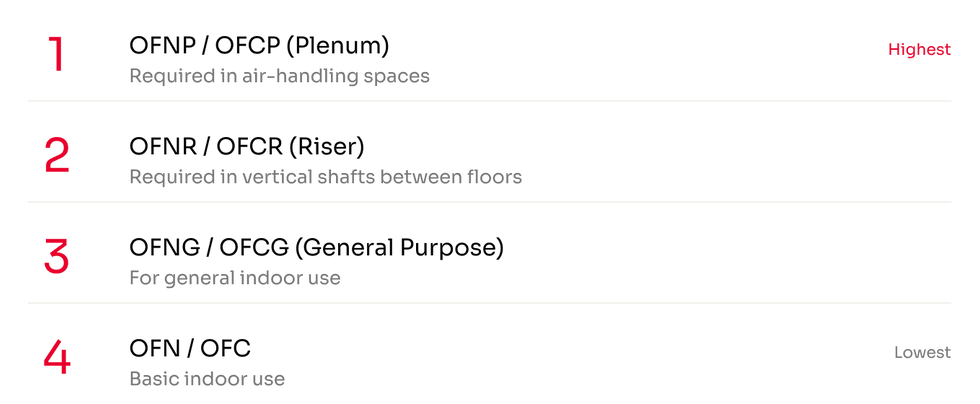
OFNP / OFCP (Plenum) — highest fire rating, required in air-handling spaces
OFNR / OFCR (Riser) — required in vertical shafts between floors
OFNG / OFCG (General Purpose) — for general indoor use
OFN / OFC — basic indoor use, lowest rating
The paired designations describe cable construction. OFN stands for Optical Fiber Nonconductive — the cable contains no metallic elements. OFC stands for Optical Fiber Conductive — the cable includes metallic components such as armor or a metallic central strength member. Both designations meet the same flame-test requirements at each tier; the prefix simply tells the installer whether the cable carries metal that may need bonding or grounding under NEC Article 770.
In Europe, CPR Euroclass runs from Eca up through B2ca. A given material can earn different ratings depending on formulation and testing. When U.S. and international specifications both apply, default to the stricter requirement.
The Most Common Cable Jackets
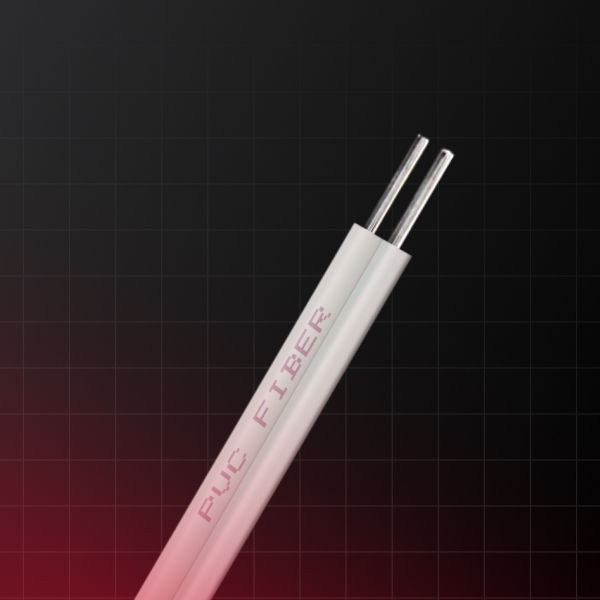
PVC (Polyvinyl Chloride)
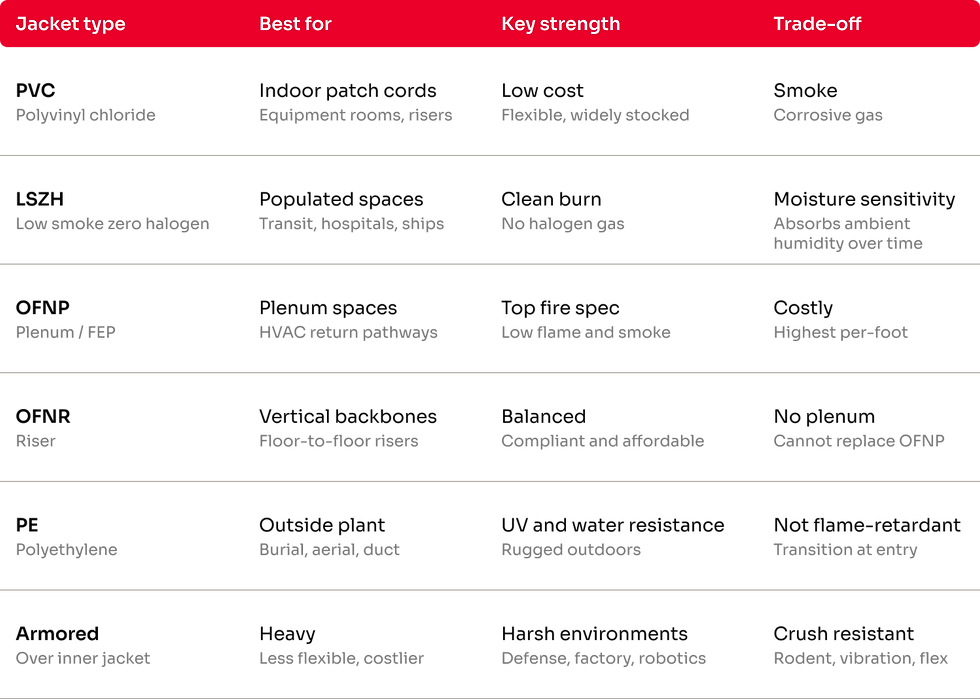
The default indoor jacket — flexible, cost-effective, and available in a wide range of colors. Flame-retardant formulations typically earn OFNR or OFNG ratings.
Best for: Indoor patch cords, equipment rooms, riser pathways, and general indoor runs outside of plenums.
Trade-off: Combustion produces dense smoke and corrosive hydrogen chloride, making PVC unsuitable for plenums and a poor fit for enclosed populated spaces.
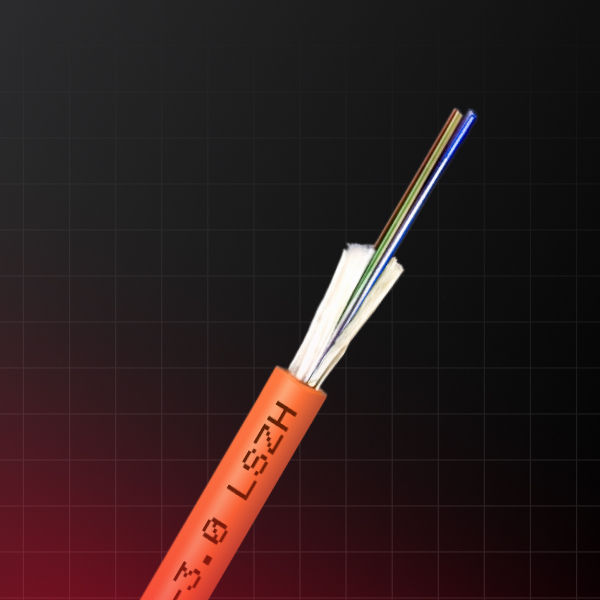
LSZH (Low Smoke Zero Halogen)
LSZH cables are designed to produce lower smoke and reduced corrosive gas emissions compared with standard PVC, though actual fire performance depends on the full cable construction and the applicable test standard.
Best for: Rail tunnels, marine vessels, hospitals, schools, government buildings, and most European installations subject to CPR.
Trade-off: Some LSZH compounds can exhibit higher moisture absorption compared with PVC, depending on formulation.

OFNP / Plenum
OFNP is a plenum fire rating used for cables installed in air handling spaces. Many OFNP cables use fluoropolymer based jackets such as FEP to achieve the required flame and smoke performance under NFPA 262.
Best for: Drop ceilings, raised-floor data center pathways, and any space sharing air with an HVAC return.
Trade-off: The highest per-foot cost of any common jacket. Where a plenum rating is required, OFNR is not an acceptable substitute, so the cable must meet the plenum requirement specified by code or project documents.
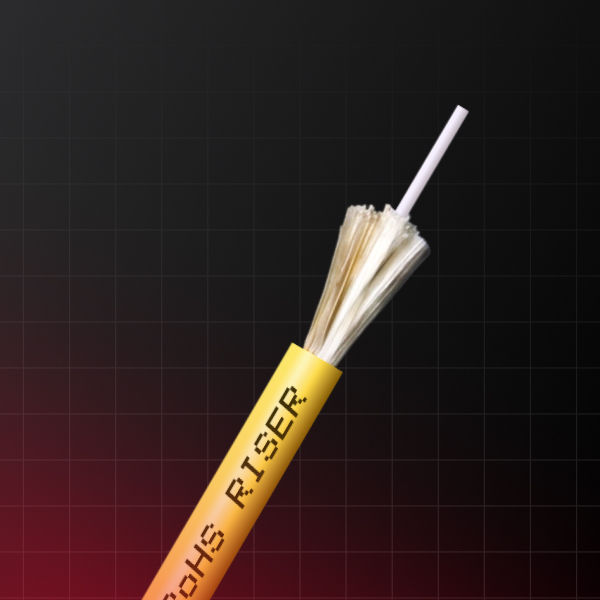
OFNR / Riser
OFNR is a riser-rated cable intended for vertical shafts and similar pathways between floors, where it is tested under the riser fire-safety standard.
Best for: Vertical backbones, telecom closets, and stacked equipment rooms.
Trade-off: Cannot be used in plenums. OFNP can substitute for OFNR, but not the reverse.
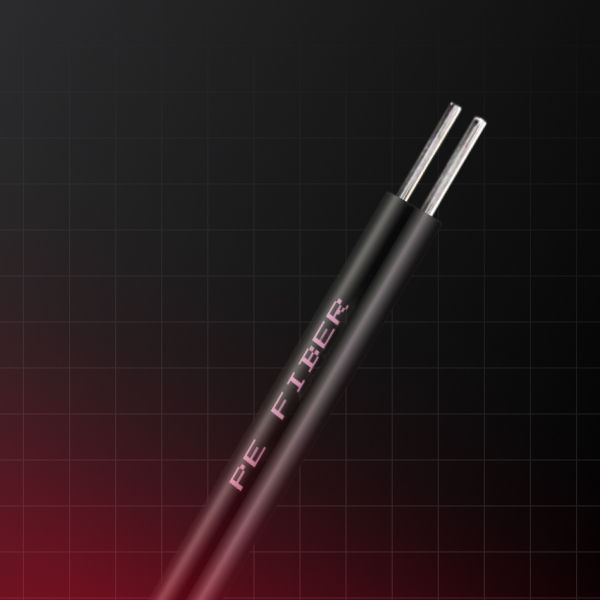
PE (Polyethylene)
The standard material for outside plant cable. PE is commonly used for outdoor cable because it offers good UV and moisture resistance and is well suited to outdoor plant applications, including direct-burial designs when properly constructed.
Best for: Outdoor duct, direct burial, aerial campus runs, and building-to-building backbone.
Trade-off: Not flame-retardant. Codes typically require transition to an indoor-rated cable, or a dual-rated indoor/outdoor cable, shortly after building entry.
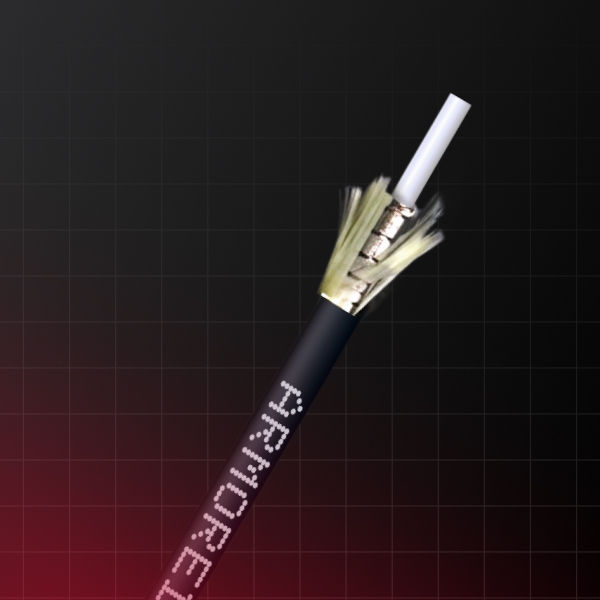
Armored and Furcation-Tube Constructions
When the primary threat is mechanical — crush, rodent damage, vibration, or repeated flex — armor or rugged furcation tubing is added over the standard jacket. Armor may be dielectric or metallic, depending on grounding requirements and EMI considerations.
Best for: Aerospace and defense platforms, factory floors, biomedical and robotics equipment, and washdown environments.
Trade-off: Heavier and less flexible than standard cable, with a higher per-foot cost and larger bend radius to plan for during installation.
Neptec offers three core options: Armored Furcation Tubing / Jacketed Cable for harsh environments, Cable-IP68 for full dust and water ingress protection, and Cable-Military for MIL-STD defense applications.
A Framework for Jacket Selection
Before finalizing a specification, work through four questions:
Where is the cable installed?
Plenum, riser, general indoor, outdoor, or harsh industrial environments each carry different baseline requirements.
What does code require?
Review the project specification and confirm with the local Authority Having Jurisdiction.
What environmental factors apply?
UV, chemicals, temperature extremes, and mechanical stress each narrow the viable materials.
What does failure cost?
A back-office patch cable and a satellite communications link justify very different levels of investment.
One final check: read the print legend on the jacket itself. The cable should clearly state material and rating — for example, "(UL) Type OFNR PVC." Jacket color identifies fiber type under TIA-598; it does not indicate fire rating.
How Neptec OS Inc. Supports Smarter Cable Specifications
Jacket selection rarely fits on a single line of a BOM. It is a decision shaped by installation pathway, applicable code, operating environment, and the cost of failure.
Neptec builds custom fiber optic assemblies across the wide jacket range. Every build is backed by ISO 9001:2015 and AS9100D quality systems and supported by an engineering team in Fremont, CA that can review your application before production begins.
For related cable decisions, see our guide to common fiber optic connectors or explore the industries we support.
Frequently Asked Questions (FAQ)
What is the difference between OFNP and OFNR?
OFNP is plenum-rated and uses fluoropolymer jackets engineered for very low flame and smoke. OFNR is riser-rated and typically uses flame-retardant PVC. OFNP can substitute for OFNR; OFNR cannot substitute for OFNP.
Do U.S. codes require LSZH?
Not directly — the NEC defines OFNP, OFNR, OFNG, and OFN. LSZH commonly appears in transit, marine, and healthcare specifications for life-safety reasons. In Europe, CPR fire performance requirements often favor low smoke, low toxicity cable constructions in occupied buildings.
Can outdoor cable be run inside a building?
Only briefly. PE outdoor cable is not flame-retardant, so codes typically limit how far non fire rated outdoor cable may extend inside a building before transition to an indoor rated cable or enclosure, or the use of a dual-rated indoor/outdoor cable.
Does jacket color indicate fire rating?
In common practice, jacket color is often used to identify fiber type or category under TIA-598 conventions, but color does not indicate fire rating; the rating should be confirmed from the jacket’s printed legend.
Ready to specify the right cable jacket? Request a quote or talk to our sales team→